https://www.dguilty.com/the-ultimate-guide-to-crafting-hyper-realistic-kit-miniature-houses/
a kit miniature house , a single touch of color can captivate and allow the space to tell a story. It’s not simply aesthetically pleasing; it subtly influences the viewer’s emotions and interpretations. Understanding the psychology of color allows you to make a tiny house of just a few centimeters convey the warmth of life, the tension of a story, and the texture of time.
1. Color is the emotional language of the miniature world
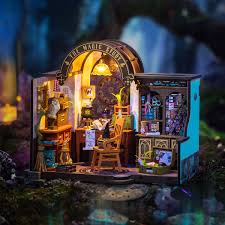
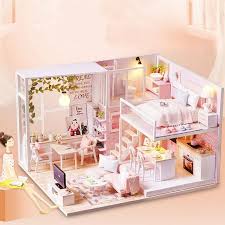
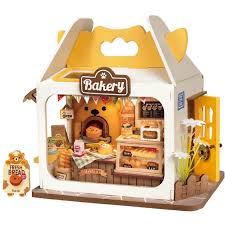
Colors themselves carry psychological connotations. Warm colors (red, orange, and yellow) tend to evoke feelings of warmth, liveliness, and nostalgia, while cool colors (blue, green, and gray) evoke feelings of tranquility, solitude, and reflection.
In the Kit Miniature House , every wall, piece of furniture, and flooring conveys a message.
For example, a living room with light brown wood floors, warm yellow walls, and softly lit bulbs instantly conjures images of the homeowner reading by the window in the afternoon sun.
2. Contrasting colors and visual focus
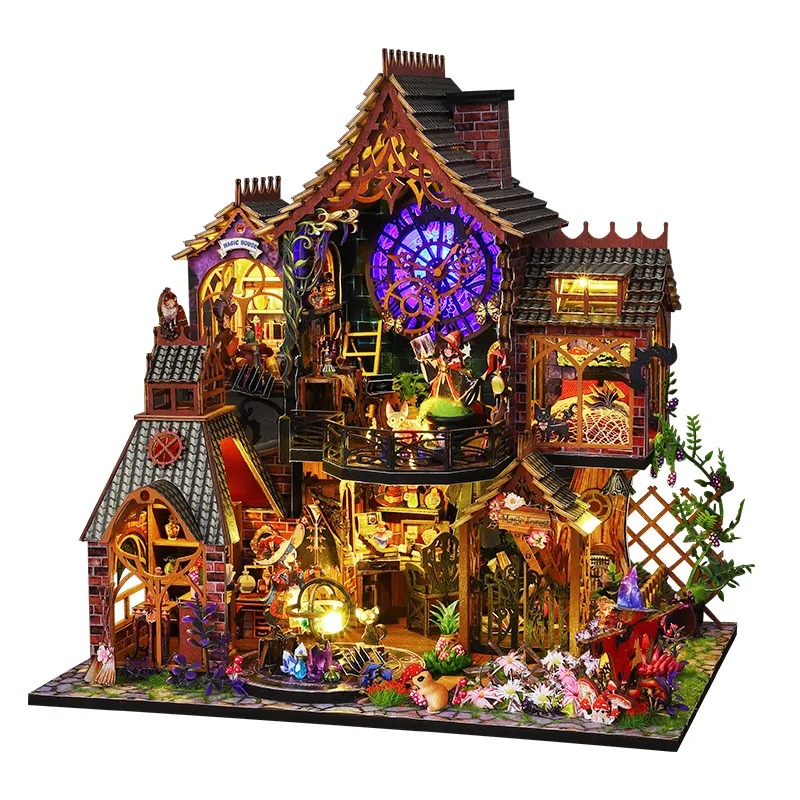
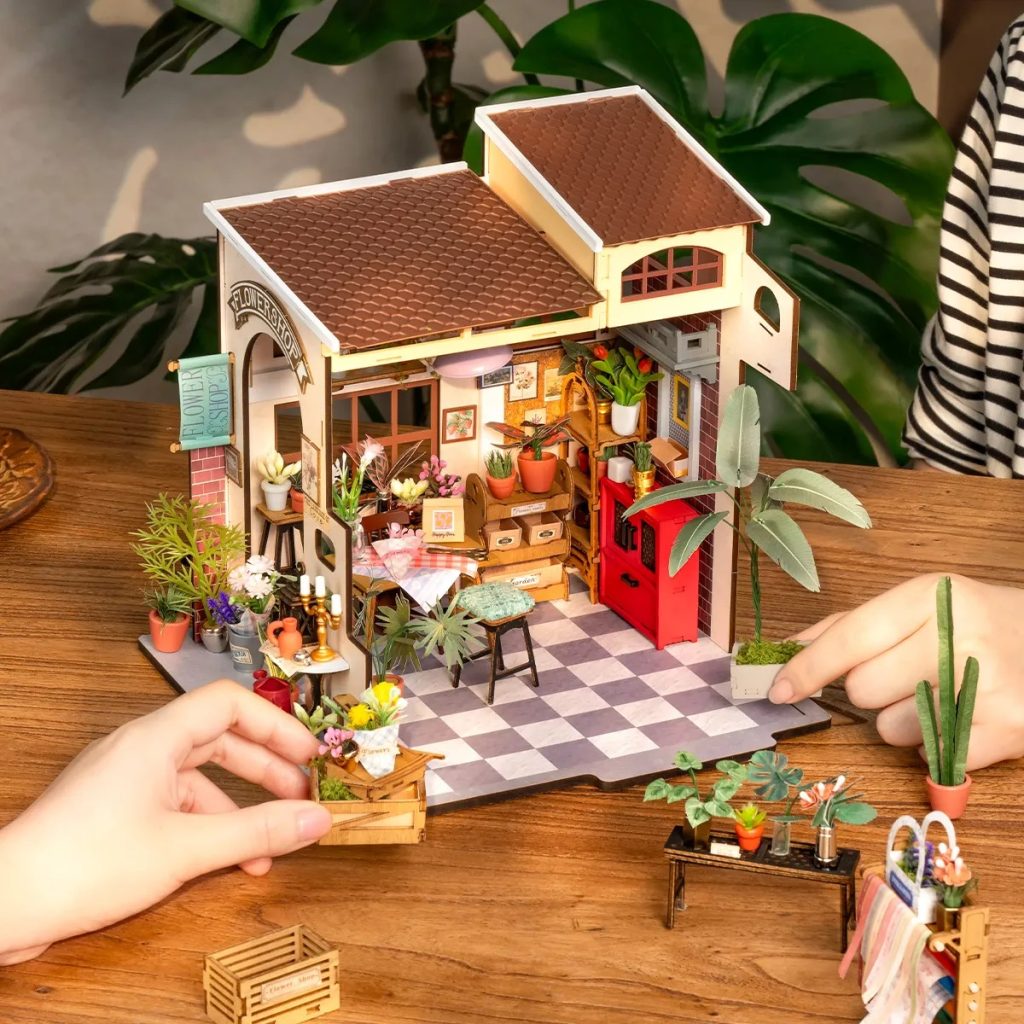
Besides a monochromatic palette, contrasting colors also work wonders in Kit Miniature House . A small red chair against a pale blue backdrop instantly becomes a focal point, suggesting a sense of life.
This contrast not only draws the eye but also guides the viewer to discover storytelling within the space: Why does that chair stand out? What hidden context lies within it?
3. Combination of materials and colors
The psychological effect of color is also influenced by the material. Matte wood is gentler than glossy wood floors, soft fabrics evoke feelings of comfort, and the cool sheen of metal or glass can create a sense of rationality or modernity.
The color scheme in a kit miniature house isn’t just about choosing the color itself; it’s about intensifying the mood through the material .
For example, a pale yellow light shining on a slightly textured fabric sofa evokes a sense of warmth more than a light shining on smooth metal.
4. Layering: The Secret of Color Narrative
In real spaces, colors aren’t monotonous and flat. A sense of layering is equally important in
a kit miniature house . Dark colors can be used in the foreground to draw the eye and add a sense of depth; neutral tones can be used in the midground to ensure a coherent story; and light or cool colors can be used in the background to create depth.
This layering allows the viewer’s eye to wander naturally, like reading a story, from the entrance to the corners, gradually entering the rhythm of life in the miniature space.
5. The relationship between color and time
Color can also suggest time and atmosphere. Sunrise is different from afternoon sunlight, and dusk is different from night.
Early morning: soft and cool colors, exuding a sense of fresh air.
Afternoon: Warm yellow and light brown, full of warmth and comfort.
Night: Deep blue, gray and faint light create a quiet and mysterious atmosphere.
Through the color timeline, Kit Miniature House is not only a physical space, but also an emotional space, allowing viewers to unconsciously enter the scene.
VI. Conclusion: Color is the emotional engine of Kit Miniature House
a kit miniature house lies not in the number of objects but in how the colors guide the viewer’s emotions.
Each hue holds a psychological code. When properly combined, the space imbues it with warmth, the story with tension, and the viewer is quietly drawn into the rhythm of life in this miniature world.
In the kit miniature house , color is not decoration, but the core language of emotions and stories .
https://www.dguilty.com/the-ultimate-guide-to-crafting-hyper-realistic-kit-miniature-houses/