https://www.dguilty.com/the-ultimate-guide-to-crafting-hyper-realistic-kit-miniature-houses/
kit miniature houses lies not just in their proportions and details, but in their ability to immerse the viewer in them. Windows and doors are the most subtle yet powerful elements of these miniature worlds. They not only introduce light and shadow but also carry stories and emotions, bringing a small space to life.
Channels of Light: The Micro-Magic of Windows
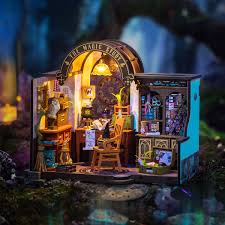
Through a small window, light streams obliquely into the room, catching the pages of a book on the table or the texture of the floor. In a kit miniature house , light and shadow are the most easily overlooked yet most life-giving elements. The material, size, and orientation of the window all silently shape the sense of space.
Frosted glass windows soften and diffuse the light, like morning light filtering through a gauzy curtain, while clear glass windows let in bright, direct sunlight, creating a sense of openness and transparency. The varying angles of light give each small object a sense of its own breath and weight—the reflection of a miniature coffee cup, the shadow of a slightly curled book page, all revealing the details of life within.

The Valve of the Mind: The Emotional Language of the Door
A door is more than just a physical interface for entry and exit; it serves as a psychological valve. A half-open door invites the viewer into a house, leaving them with anticipation and curiosity; a closed door conveys a sense of tranquility or mystery, as if the owner has just left or perhaps has yet to return. Even the patina and wear of a tiny doorknob can enhance the authenticity of a space, evoking a sense of past habitation.
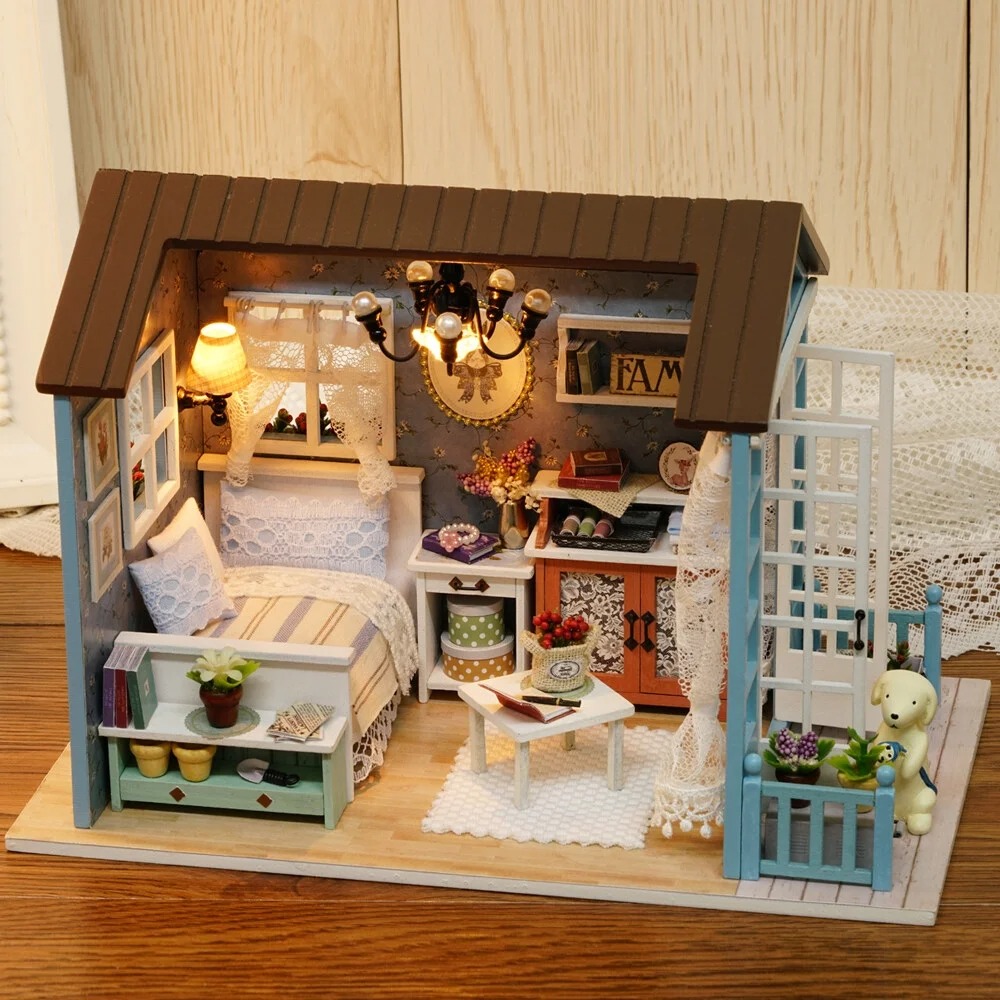
Doors and windows together shape the narrative rhythm of Kit Miniature House . The angle of the door, the slightly curled curtains, and the small doormat at the entrance all silently remind the viewer that people are here, there are traces of life, and there are stories waiting to be discovered.
Breathing of Space: Sight and Depth
Windows and doors not only bring in light but also subtly control sightlines and the sense of space. Light slanting through the windows guides the viewer’s gaze from the foreground to the depths of the house; a half-open door invites one to imagine the story behind it. Even the smallest details, such as the vase on the windowsill or the shoes by the door, enhance the spatial hierarchy, imbuing the mere centimeters of the house with a psychological depth.
In the Kit Miniature House , the subtle balance of proportion and scale determines the spatial realism. If the windows and doors are too large, the light will be glaring and the space will appear empty; if they are too small, they will appear oppressive. The perfect size allows light and sightlines to flow naturally, allowing the world within the house to “breathe.”
The entrance to the story: the sense of life in the cabin
The truly captivating Kit Miniature House is the result of the fusion of windows and doors with storytelling. A faint light streams through the window onto the desk, a half-open door hints at someone’s recent departure, and everything within the house silently narrates life. As viewers observe these details, they spontaneously complete the story in their minds, imbuing the space with a sense of life.
Every window and door tells the story of the kit miniature house . Without words, they guide the viewer’s imagination, allowing the tiny house, just a few centimeters long, to carry the full rhythm of life and the flow of emotions.
Conclusion: The Soul Eye of the Microcosm
Windows and doors are the quietest yet most powerful elements in the kit miniature house . They allow light and shadow to flow, stories to unfold, and the house to breathe and feel warm, like the real world. Through them, viewers not only observe a model but enter a miniature living world, feeling the slow flow of time, emotions, and stories through the space.
https://www.dguilty.com/the-ultimate-guide-to-crafting-hyper-realistic-kit-miniature-houses/