https://www.dguilty.com/the-ultimate-guide-to-crafting-hyper-realistic-kit-miniature-houses/
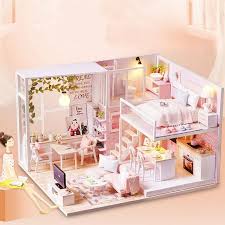
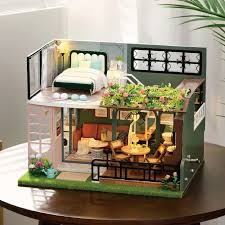
When creating a miniature house kit , people often focus on the large structures—the walls, floors, and lighting. However, the true soul of the work often lies within the furniture, just a few centimeters high. These pieces aren’t just decorative; they’re the vehicle for telling a story: the grain of a table, the angle of a chair, even whether a drawer opens, all contribute to the overall sense of reality.
1. Deviation of proportion will destroy the “truth”
Proportion is the most underestimated pitfall of miniature furniture.
Many beginners assume that as long as the furniture looks like it will fit in the room, it’s fine. The result is a sofa that’s as tall as a throne and a bed that’s too short for a child’s size—no matter how visually refined the design is, it still feels off.
In a kit miniature house , consistency of proportion is more important than absolute numbers . If you choose a 1:12 scale cabin, all furniture, doors, windows, and accessories must adhere to this ratio. Even a discrepancy of just 1 or 2 millimeters can create a clash in the same space.
A simple verification method is the “palm test”: Imagine yourself shrunken down to the same proportions and sitting in that chair. Would the tabletop reach your chest? Would the backrest be slightly higher than your head? This imaginary calibration is closer to visual perception than measuring tools.
2. Material determines texture, and texture determines reality
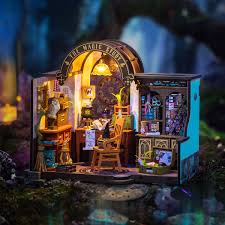
Proportion defines size, while materiality determines mood. Wood, fabric, metal—these “skins” of the miniature world directly influence how you experience the space.
Wooden furniture is the easiest way to create a sense of warmth, but pay attention to the grain proportions. Large wood grain can appear abrupt at a 1:12 scale. Light sanding, light waxing, or a matte varnish can soften the texture.
Fabric furniture (such as sofas and beds) requires high-density cotton or linen . Ordinary fabric fibers are too coarse and look exaggerated like carpet in a miniature world.
Metal components—such as handles and chandelier brackets—are a key detail. Choosing the wrong one can create a cheap look, while choosing the right one can instantly elevate the entire space.
3. Movable structure brings a sense of life
The most fascinating thing about miniature furniture is the “dynamic” details.
Drawers can be opened, doors can be closed, and chairs can be tilted slightly. These movements make the viewer feel as if there are real people living in the house.
Of course, creating movable structures requires a high level of craftsmanship. You can use very fine wire as hinges , or magnets instead of latches, to allow components to move while still returning to their original positions.
Not every piece of furniture needs to be movable; just a drawer that opens and a book that flips through the pages is enough to create a sense of life.
4. Color matching is the silent narrative of space
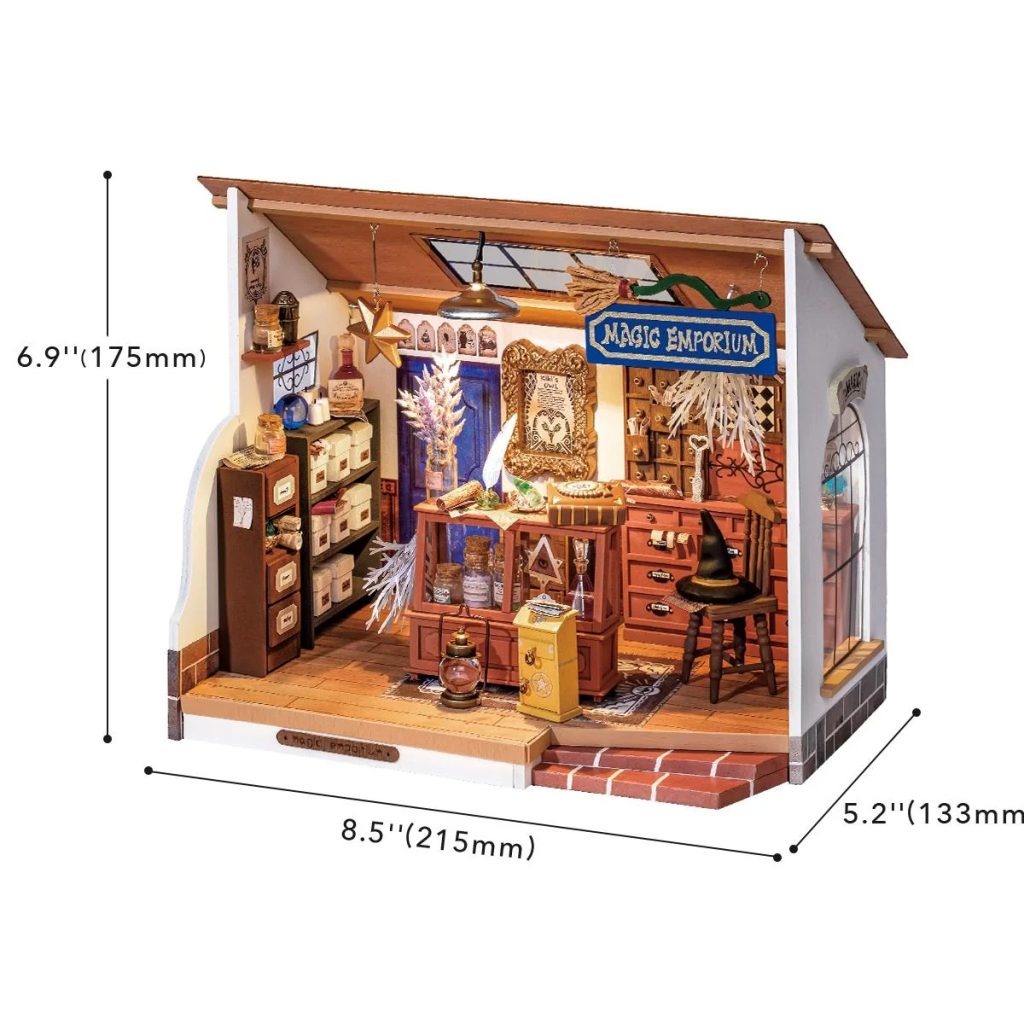
Furniture color matching isn’t just about aesthetics; it’s also about storytelling.
For example, a light oak dining table with off-white chairs can create a warm, homey feel like a kitchen;
a walnut table with black leather chairs can create a more urban studio apartment.
When choosing a color scheme, consider the characters in the scene:
Who does this cabin belong to? A young woman, a craftsman, or a solitary traveler?
The characters dictate the style, and the style dictates the color scheme. This way, your furniture won’t appear “pretty but soulless.”
5. Details determine the warmth of the story
In a miniature world, furniture isn’t just decoration; it’s the thread of a story. The slightly open book on the corner of the table, the folded blanket beside the bed, the scarf draped over the back of a chair—these details are narratives.
When furniture can hint at time, traces of life, and the presence of people, the cabin transforms from a “model” into a “snapshot of life.”
Creating miniature furniture is both a technical skill and a narrative. Proportion, material, color, and mobility—these seemingly minute details—actually determine whether your home will impress.
A truly soulful miniature space doesn’t need to be flawless, just sufficiently authentic.
https://www.dguilty.com/the-ultimate-guide-to-crafting-hyper-realistic-kit-miniature-houses/